How to Use a Construction Loan for Knockdown Rebuild Projects in Australia

Knockdown rebuild projects have become an increasingly popular strategy for Australian homeowners looking to create their dream home without sacrificing location. Instead of buying a new property, you purchase an older house on a desirable block, demolish it, and build a brand-new home tailored to your needs. However, financing a knockdown rebuild is not the same as a standard home loan. It requires a specialised construction loan that aligns with the unique cash flow and risk profile of building from scratch. This guide will walk you through everything you need to know about using a construction loan for a knockdown rebuild, from lender requirements and drawdown schedules to practical tips for avoiding cost blowouts.
What Is a Construction Loan and How Does It Differ from a Standard Home Loan?
A construction loan is a type of home loan designed specifically for building a new house or undertaking major renovations. Unlike a standard home loan, where the full amount is disbursed upfront and you start repaying principal and interest immediately, a construction loan releases funds in stages as the building work progresses. This is known as a progress payment schedule. During the construction phase, you typically only pay interest on the amount drawn down, not the full loan limit. This can significantly ease cash flow while the build is underway.
For a knockdown rebuild, the construction loan must cover both the land purchase (if not already owned) and the building costs. If you already own the land, you may be able to use the equity as a deposit. The loan structure is crucial because lenders assess the project based on the “as if complete” value of the property, not just the land value.
Key Stages of a Knockdown Rebuild Project
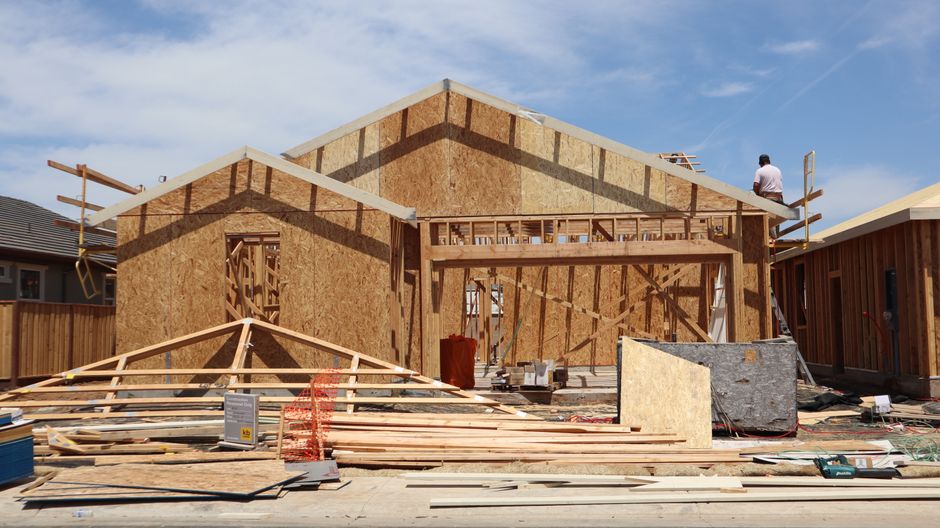
Understanding the typical stages of a knockdown rebuild will help you see how the construction loan drawdowns align with your builder’s milestones. Here is a common sequence:
- Land purchase and settlement (if applicable): You buy the block with an existing dwelling.
- Design and approvals: Engage architects, obtain council development approval (DA), and secure building permits.
- Demolition: The old house is knocked down and the site cleared.
- Site preparation: Levelling, excavation, and laying foundations.
- Construction: The build progresses through slab, frame, lock-up, and internal fit-out stages.
- Completion and handover: Final inspections, practical completion, and key handover.
Each of these stages corresponds to a progress payment from your lender, which we will explore in detail below.
How Construction Loan Drawdowns and Progress Payments Work
Construction loans use a progress payment system where funds are released at predetermined milestones. The exact number of stages and the percentage of the total loan released at each stage can vary between lenders, but a typical schedule looks like this:
| Stage | Description | Typical Drawdown % |
|---|---|---|
| Deposit | Initial payment to builder upon contract signing | 5-10% |
| Slab down | Foundation slab poured and cured | 15-20% |
| Frame up | Wall and roof framing completed | 20-25% |
| Lock-up | Windows, doors, and roofing installed; house is secure | 20-25% |
| Fixing / Fit-out | Plastering, cabinetry, plumbing, electrical fit-off | 20-30% |
| Completion | Final touches, painting, cleaning, and handover | 5-10% |
Note: Percentages are indicative and based on major Australian lenders’ practices as of 2026.
The builder will issue an invoice at each stage, which you submit to your lender. The lender may send a valuer to inspect the work before releasing the next payment. It is essential to understand that you cannot draw down more than the percentage allocated to that stage, even if the builder’s invoice is higher. This is why having a contingency buffer is critical.
Lender Criteria for Knockdown Rebuild Construction Loans
Not all lenders are equally comfortable with knockdown rebuild projects. Some may view them as higher risk because the security property is initially a vacant block after demolition. Here are key criteria lenders consider:
- Fixed-price building contract: Lenders almost always require a fixed-price contract with a licensed builder. Cost-plus contracts are rarely accepted because they expose the borrower and lender to cost overruns.
- Builder’s credentials: The builder must be registered, insured, and have a solid track record. Lenders may check their credit history and previous project completions.
- Valuation of the completed project: The lender will commission a valuation based on the plans, specifications, and comparable sales in the area. The loan amount is capped at a percentage of this “as if complete” value, typically 80% without Lenders Mortgage Insurance (LMI), or up to 95% with LMI.
- Serviceability: You must demonstrate that you can afford repayments on the full loan amount once construction is complete, as well as your ongoing living expenses during the build. Some lenders will also consider rental costs if you need to live elsewhere during construction.
- Deposit and equity: If you already own the land, the equity can serve as your deposit. Otherwise, you will need a cash deposit, which can be as low as 5% with LMI, though 20% is preferred to avoid LMI.
Structuring Your Loan to Avoid Cost Overruns
Cost overruns are the number one risk in any construction project. A well-structured loan can help mitigate this risk. Here are strategies to consider:
1. Include a Contingency Buffer in Your Budget
Industry experts recommend a contingency of 10-20% of the total build cost to cover unexpected expenses such as site works, variations, or delays. Your loan should be sized to include this buffer, but be aware that lenders will only release funds against completed work. If you have a cost overrun mid-project, you may need to fund it out of pocket unless you have a contingency allowance built into the loan.
2. Use a Progress Payment Loan with Interest-Only During Construction
Most construction loans are interest-only during the build period, which typically lasts 12-24 months. This reduces your monthly outgoings while you are potentially paying rent elsewhere. Once construction is complete, the loan converts to a standard principal and interest loan. Ensure you understand the maximum construction period allowed by the lender; exceeding it could trigger penalties or a requirement to refinance.
3. Consider a Redraw Facility or Offset Account
If you have surplus funds, placing them in an offset account or making extra repayments into a redraw facility can reduce the interest you pay during the construction phase. However, check if your construction loan allows extra repayments without penalty.
4. Lock in a Fixed Rate After Completion
Interest rates can fluctuate during the construction period. Some lenders offer a “rate lock” option that lets you fix the rate at the start of the build, but this can be expensive. A more common approach is to take a variable rate during construction and then fix the rate once the loan converts to a standard home loan. As of 2026, variable rates for construction loans typically range from 6.5% to 7.5% p.a., while fixed rates for completed homes may be slightly lower.
Maximising Property Value Through a Knockdown Rebuild
A knockdown rebuild is not just about creating your ideal home; it is also a strategic financial move to maximise property value. Here is how to ensure your project delivers strong returns:
- Choose the right location: The land is the appreciating asset. Focus on suburbs with high demand, good schools, and infrastructure. Even a modest new home in a blue-chip area can deliver significant equity gains.
- Design for the market: While you are building your dream home, consider future resale value. Avoid overly personalised features that might deter buyers. Opt for a flexible floor plan, quality finishes, and energy-efficient design.
- Understand council regulations: Some councils have overlay controls that limit building height, setbacks, or design style. Ensure your plans comply to avoid costly modifications later.
- Use a quantity surveyor for depreciation: If you plan to rent out the property or sell it in the future, a tax depreciation schedule can maximise your deductions. New builds typically have high depreciation allowances, which can improve your after-tax cash flow.
Common Pitfalls and How to Avoid Them
Even with careful planning, knockdown rebuild projects can encounter hurdles. Here are common pitfalls and how to steer clear:
- Underestimating demolition costs: Demolition can cost $15,000-$30,000 or more, depending on the size of the house, access, and hazardous materials like asbestos. Get multiple quotes and factor this into your budget.
- Delays in council approvals: Development applications can take months. Start the approval process early and engage a town planner if the site has complexities.
- Variations to the building contract: Changes after signing the contract can blow out costs and delay progress payments. Finalise your design thoroughly before signing.
- Temporary accommodation costs: If you need to rent while building, budget for at least 12-18 months of rent. Some lenders may include this in your serviceability assessment.
- Inadequate insurance: Ensure your builder has home warranty insurance and that you have construction and public liability cover. Check with your insurer about coverage during the demolition and construction phases.
Comparison of Construction Loan Features from Major Australian Lenders (2026)
While specific products change, the table below illustrates typical features you can expect from major lenders in 2026. Always compare current offers.
| Feature | Major Bank A | Major Bank B | Non-Bank Lender C |
|---|---|---|---|
| Max LVR (with LMI) | 95% | 95% | 90% |
| Progress payment stages | 5 | 6 | 5 |
| Interest-only during construction | Yes, up to 24 months | Yes, up to 12 months | Yes, up to 24 months |
| Offset account available | Yes | No | Yes |
| Rate lock option | Yes | Yes | No |
| Redraw facility | Yes | Yes | Yes |
| Maximum construction period | 24 months | 18 months | 24 months |
Data based on lender disclosures as of early 2026. Actual terms may vary.
Frequently Asked Questions
Can I get a construction loan for a knockdown rebuild if I already own the land?
Yes, and it is often easier because the land equity can serve as your deposit. Lenders will use the land value plus the completed project value to determine your borrowing capacity. You may be able to borrow up to 95% of the total project cost, but you will need to pay LMI if borrowing over 80%.
What happens if the build costs more than the construction loan amount?
You are responsible for any cost overruns. The lender will only release funds up to the approved loan limit. This is why a contingency buffer is essential. If you face a shortfall, you may need to use personal savings, apply for a loan increase (which may require re-approval), or negotiate with the builder.
How long does it take to get approval for a construction loan?
Approval times vary, but typically allow 4-8 weeks from application to formal approval. The process involves credit assessment, valuation of the proposed build, and review of the building contract. Delays can occur if documentation is incomplete or the valuation comes in lower than expected.
Do I need to make repayments during the construction phase?
Yes, but only on the amount drawn down. For example, if your loan limit is $500,000 and only $100,000 has been drawn at the slab stage, you pay interest on $100,000. Most lenders offer interest-only repayments during construction, which can be converted to principal and interest upon completion.
Can I use a construction loan for an owner-builder project?
Owner-builder projects are considered higher risk by lenders, and many will not finance them. If you are a licensed builder, some specialist lenders may consider it, but you will likely face stricter criteria, lower LVR limits, and higher interest rates. It is generally much harder to obtain finance as an owner-builder.
References and Further Reading
- Australian Securities and Investments Commission (ASIC) – MoneySmart: “Home loans for construction and renovation” (2026). https://moneysmart.gov.au/home-loans/construction-and-renovation-loans
- Housing Industry Association (HIA) – “Knockdown Rebuild: What You Need to Know” (2026). https://hia.com.au/knockdown-rebuild
- Reserve Bank of Australia – “Lenders’ Mortgage Insurance and Loan-to-Valuation Ratios” (2026). https://www.rba.gov.au/publications/bulletin/2026/mar/lmi-and-lvr.html
- Master Builders Australia – “Fixed Price Building Contracts Guide” (2026). https://masterbuilders.com.au/contracts/fixed-price
- Australian Taxation Office – “Rental property expenses: capital works and depreciation” (2026). https://www.ato.gov.au/individuals-and-families/investments-and-assets/rental-properties/rental-property-expenses